



A s Posidonia 2026 approaches, Artificial Intelligence is emerging as one of the most discussed and strategically important themes across the maritime industry.
Set to take place from June 1–5 at the Athens Metropolitan Expo, Posidonia once again becomes the global meeting point for shipping. This year, however, the conversation shifts noticeably towards AI, not as a theoretical concept, but as a tool already entering day-to-day operations.
According to a recent industry survey conducted ahead of the exhibition, the sector is moving forward with a distinctly measured approach. Shipping is neither rushing into AI adoption nor holding back. Instead, it is navigating a controlled transition shaped by safety, regulation and return on investment.
From theory to application
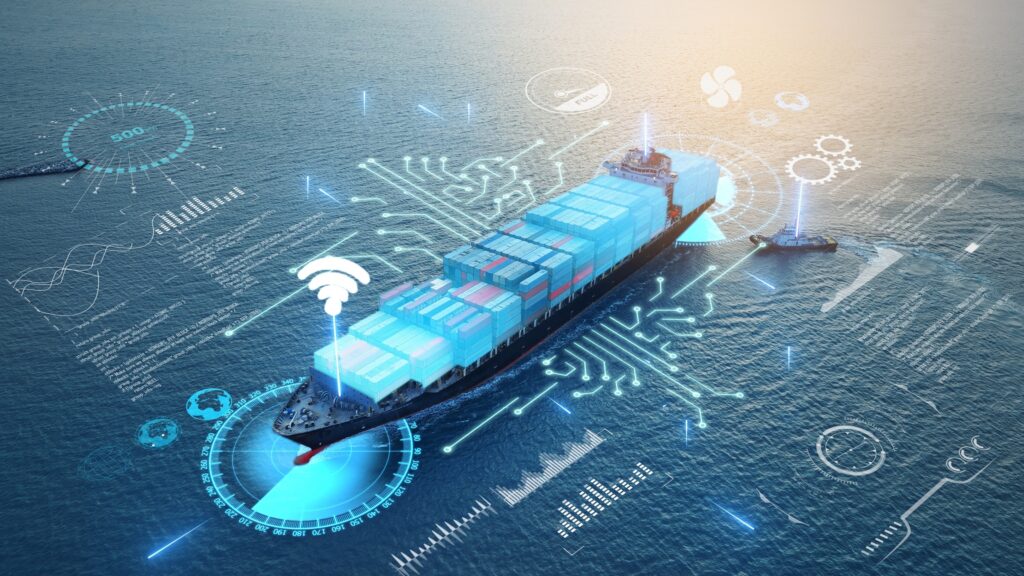
AI-driven solutions are now being actively explored across key operational areas, including predictive maintenance, fuel optimisation, compliance processes and data analytics.
What is particularly notable is not just the range of applications, but the mindset behind them. The industry is not embracing AI blindly. It is testing, validating and gradually integrating solutions where they deliver clear operational value.
Three speeds of adoption
The survey reveals three distinct approaches across the market.
A first group is actively embedding AI into products and services, developing platforms where artificial intelligence is a core component rather than an add-on. A second group adopts a more selective strategy, using AI internally to optimise processes and improve efficiency. Meanwhile, a third group maintains a cautious stance, observing developments while prioritising operational stability.
Performance, data and compliance
Early adopters are already applying AI in areas such as route optimisation, fuel consumption prediction and risk-based inspections. At the same time, companies are leveraging historical datasets to move from reactive maintenance towards predictive asset management.
Environmental regulation is acting as a key accelerator. The increasing demands of CII monitoring and EU ETS compliance are pushing companies towards digital tools capable of handling complex data and improving performance metrics.
 The human factor remains central
Despite the growing role of AI, one conclusion remains consistent across the industry: the human element is not being replaced.
Maritime operations involve real-time decision-making in unpredictable environments, particularly in critical or emergency situations. While AI enhances efficiency and reduces risk, accountability and final decision-making remain firmly human.
A transformation at maritime pace
Economic and operational considerations continue to shape the speed of adoption. Return on investment, cyber security resilience and reliable data ecosystems are essential before wider implementation can take place.
 As a result, AI is not entering shipping through disruption, but through gradual transformation. At Posidonia 2026, the discussion will focus not on whether AI belongs in maritime operations, but on how, where and how fast it should be deployed.
As a Communication Sponsor of Posidonia 2026, The Yachtbook will be following closely the conversations shaping the next chapter of the industry.